published on
Understanding the Role of Seclore in SIEM Environments

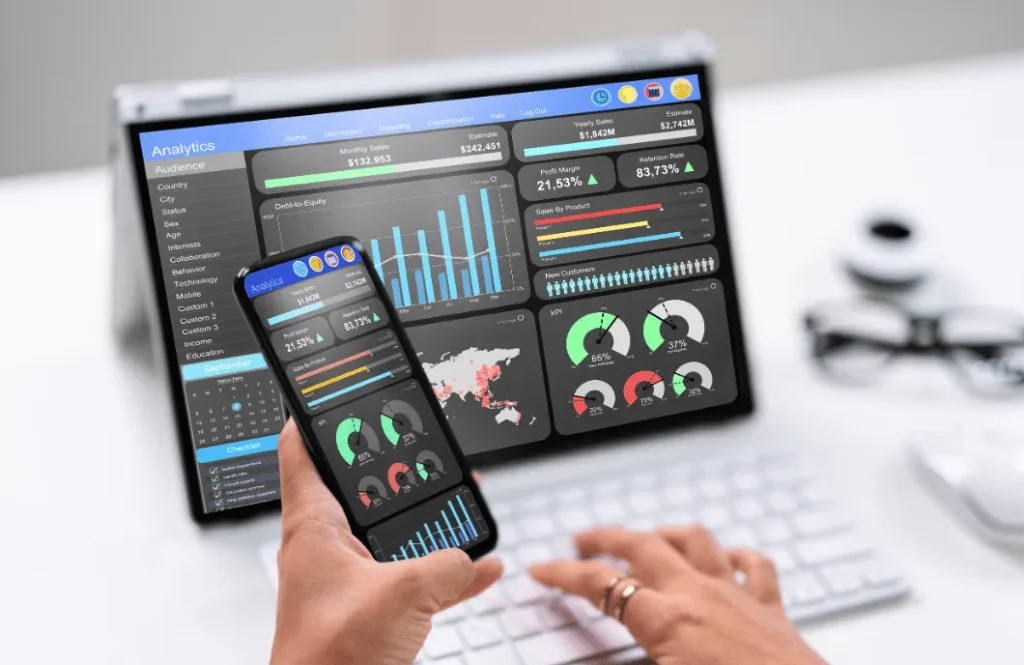
Cybersecurity aims to protect sensitive information, and in this dynamic environment, Security Information and Event Management (SIEM) solutions help rapidly detect, invest, and respond to security incidents.
SIEM environments act as real-time event aggregators and vigilant watchdogs for unauthorized IT and OT activity. They usually collect and analyze data from multiple sources, including network logs, user activity, business applications, and APIs.
Seclore assists organizations in analyzing files containing sensitive data such as intellectual property (IP) and personally identifiable information (PII). This helps enhance their SIEM environments like Splunk, LogRhythm, Microsoft Azure Sentinel, etc., by providing valuable insights.
Seclore protects sensitive data with file-level encryption, access, and usage controls so organizations can monitor how those files are used and shared internally and externally. It also provides full-lineage visibility, giving you valuable and detailed information about when the file is downloaded or copied and who it’s shared with.
Integrating Seclore with your SIEM also helps organizations streamline their incident response processes. Security teams can quickly identify and proactively address unauthorized activity or data breaches with file-level visibility. Granular visibility and control help organizations strengthen their security posture and protect sensitive data.
Turn your SIEM into a comprehensive one-stop shop for all sensitive data-related activity. This integration eliminates the need to maintain multiple databases, giving organizations a unified, single pane of glass view that features all the information they need. Leveraging this integration means activity performed on sensitive data files can seamlessly merge with other operational analytics.
How to integrate Seclore with your SIEM
To learn more about integrating Seclore with your SIEM tool, reach out to your designated Seclore SPOC as the integration steps differ for each tool.
Seclore + Splunk
With SIEM tools like Splunk, organizations can create useful dashboards, generate reports, and set alert criteria to receive notifications when suspicious activities occur. Let’s explore how dashboards, reports, and alerts in SIEM tools like Splunk bolster security monitoring and response:
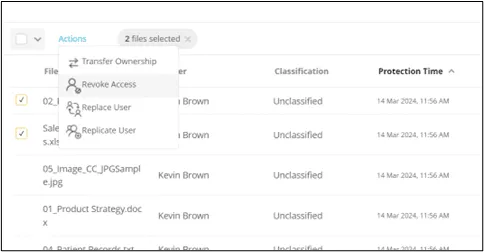
- Dashboards offer a visually intuitive platform that helps organizations understand and explore their SIEM analytics. Administrators can create dashboards highlighting the most relevant conduct for their organization, such as user activity. They can also filter results by specific dates to help pinpoint unusual activity.For example, if a security administrator were seeking insights into the activities associated with a specific and highly classified file, they could create a dashboard specifically for that file. Doing so would make it easier to spot unauthorized activity so they can promptly respond by revoking access to that file using another critical feature of Seclore.
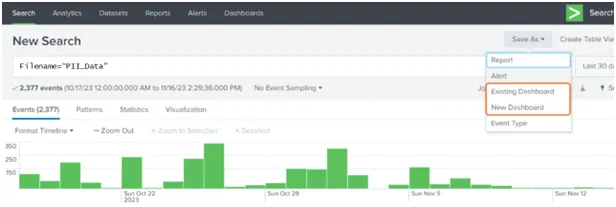
- Reports let organizations manually or automatically generate detailed and customized snapshots of activity collected in their SIEM. For example, an administrator could schedule a weekly report showing the number of files downloaded, which would be generated every Monday morning.Reports help security administrators understand trends and spot anomalies so they can proactively address security gaps and investigate suspicious activity.Here’s a screens of a report detailing failed login attempts:
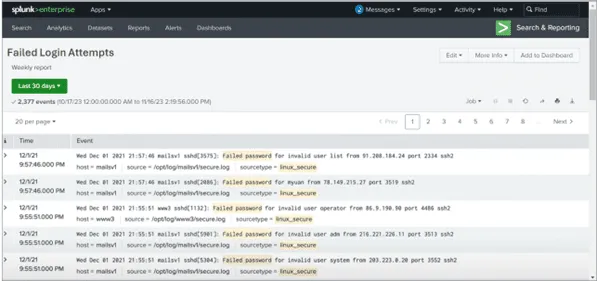
- Alerts can help security teams respond quickly by notifying them when suspicious or unusual activity occurs in their monitored environments. For example, administrators could set up an email alert when the number of unauthorized Share or Print attempts on a protected file exceeds a certain threshold. This alert could help administrators identify users performing malicious activities. Alternatively, administrators may revoke that user’s access to the protected file before investigating further.
The data-centric future of SIEMs
Looking ahead, the integration of SIEMS with file-level activity from data-centric security solutions that protect your most sensitive data, like Seclore, is set to grow stronger. Trends in cybersecurity include an automated approach to detection with highly aware SIEMs and automated remediation, sometimes leveraging security orchestration and response tools (SOAR). As a result, activity related to sensitive data files will play a pivotal role in proactively identifying and addressing threats.
Conclusion
Understanding the relationship between SIEMs and data-centric security solutions like Seclore is vital for organizations to detect and respond to threats effectively. This integration represents a strategic investment in understanding activity related to sensitive digital assets.
This data-centric approach will become increasingly necessary as cybersecurity threats and unauthorized activity evolve. Using SIEM tools with Seclore can help protect your most sensitive data from unauthorized access, creating a solid defense against potential breaches.
Ready to learn more about integrating Seclore into your SIEM? Book a demo with us.