
What is Information Security? Understanding the Basics
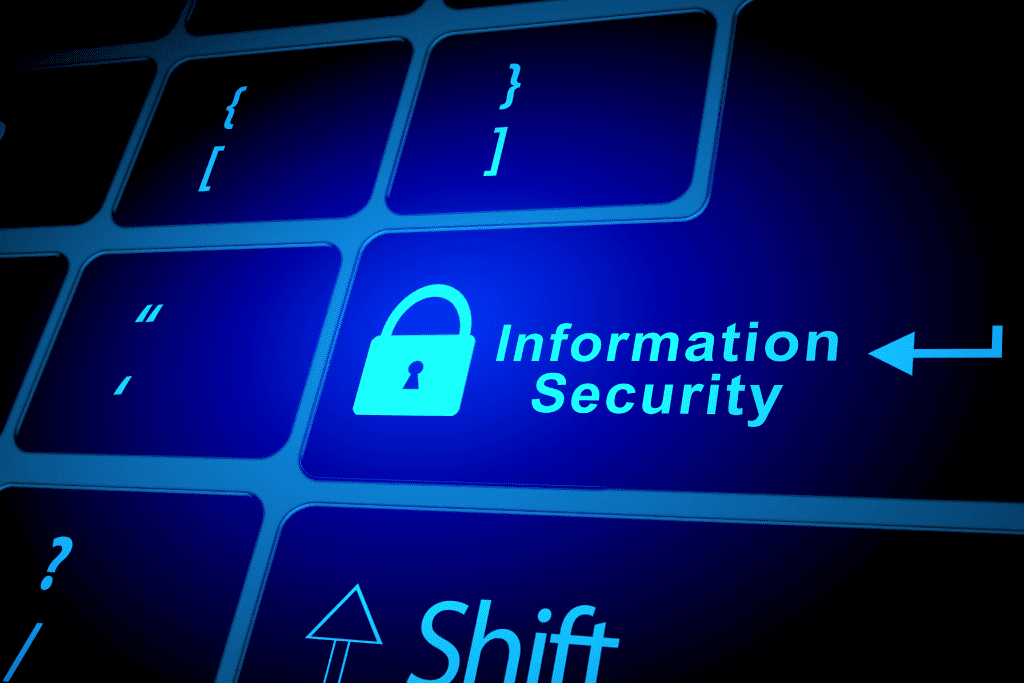
Table of contents
- What is information security?
- What is the difference between InfoSec and cybersecurity?
- Why is compliance with regulations like GDPR important?
- What are the fundamental objectives of information security?
- How does SIEM help in information security?
- What is the role of DLP in information security?
- How do EDR solutions enhance security?
- What are common threats to information security?
- How does application security differ from network security?
- What is the positive impact of using tools like Seclore?
Introduction
The significance of information in our digital age is unparalleled. Whether it’s personal data, corporate work products, trade secrets, or even aggregated metadata, the information we generate and store is a prime target for cybercriminals. Information security (InfoSec) is the practice dedicated to safeguarding this important asset from various threats, ensuring its confidentiality, integrity, and availability.
Mastering InfoSec is vital for everyone, from business owners and IT professionals to individuals concerned about their digital security, to effectively defend against the multitude of cyber threats in our online environment.
What is information security?
Information security, often abbreviated as InfoSec, is the process of protecting information by mitigating information risks. It safeguards data from unauthorized access, disclosure, disruption, modification, inspection, recording, or destruction.
Essentially, InfoSec aims to protect the core tenets of information — confidentiality, integrity, and availability (often called the CIA triad).
The fundamental objectives of information security
To build a robust information security program, it’s essential to first understand the key objectives. These objectives form the foundation upon which InfoSec practices and policies are built.
- Confidentiality: Confidentiality ensures that information is accessible only to those who are authorized to access it. This involves implementing measures that prevent sensitive information from being accessed by unauthorized individuals.
- Integrity: Integrity involves maintaining the accuracy and completeness of information. This means ensuring that data cannot be modified without authorization or detection.
- Availability: Availability ensures that information is accessible and usable upon demand by an authorized user or agent. This involves ensuring that information systems are resilient and can recover quickly from cyberattacks or natural disasters.
Building an information security program
An effective information security program is comprehensive and dynamic, adapting to the evolving threat landscape. Here are the critical components of a robust InfoSec program:
1. Risk management
Risk management involves identifying, assessing, and prioritizing risks, followed by coordinated efforts to minimize, monitor, and control the probability or impact of these events. This includes addressing vulnerabilities and potential or unknown threats to sensitive information.
2. Security policies
Developing and enforcing security policies that govern how information is protected within an organization is crucial. These policies should cover acceptable use, data classification, incident response, and more.
3. Security awareness training
Educating employees about security best practices and the importance of protecting information is a critical component. This training helps in building a security-conscious culture within the organization.
4. Incident response
A well-defined incident response plan enables organizations to respond quickly and effectively to security breaches. This includes identifying the breach, containing the damage, eradicating the threat, and recovering from the incident.
Application security
Application security focuses on identifying and mitigating security vulnerabilities in software applications. This involves secure coding practices, regular security testing, and implementing protective measures such as encryption and access controls.
Key elements of application security
- Secure coding: Writing code with security in mind to prevent vulnerabilities.
- Regular security testing: Conducting tests such as penetration testing and code reviews to identify and fix security flaws.
- Encryption: Protecting data within applications through encryption ensures it remains confidential and secure.
Cloud security
As organizations increasingly migrate to the cloud, ensuring the security of cloud environments becomes paramount. Cloud security involves implementing measures to protect data, applications, and services in the cloud.
Best practices for cloud security
- Data encryption: Encrypting data in transit and at rest protects it from unauthorized access.
- Access controls: Implementing robust access control mechanisms ensures that only authorized users can access sensitive data.
- Regular audits: Conducting regular security audits to identify and mitigate vulnerabilities in the cloud environment.
InfoSec vs. Cybersecurity
While InfoSec and cybersecurity are often used interchangeably, they are distinct concepts. InfoSec is a broader discipline encompassing all aspects of protecting information, whereas cybersecurity specifically focuses on protecting information within the digital realm.
The difference between infoSec and cybersecurity
- Scope: InfoSec includes physical and digital security measures, whereas cybersecurity focuses solely on digital protections.
- Focus: Cybersecurity addresses threats to digital assets such as networks, systems, and data, while InfoSec encompasses the broader protection of information in all forms.
- Approach: InfoSec employs a holistic approach to safeguarding information, whereas cybersecurity typically involves technical measures to defend against cyber threats.
Compliance and regulations: GDPR compliance
Compliance with regulations like the General Data Protection Regulation (GDPR) is critical to information security. GDPR sets stringent requirements for protecting the personal data of individuals within the European Union.
Key requirements of GDPR
- Data protection by design: Incorporating data protection measures from the beginning of any project.
- Data Protection Impact Assessments (DPIAs): Conducting DPIAs to identify and mitigate data protection risks.
- Breach notification: Reporting data breaches to authorities and affected individuals within 72 hours.
- Right to access: Allowing individuals to access their personal data and obtain information about how it is used.
- Right to be forgotten: Enabling individuals to request the deletion of their personal data under certain conditions.
SIEM: Security information and event management
SIEM solutions play a critical role in an organization’s InfoSec strategy. SIEM systems collect, analyze, and enable a rapid response to security events by providing real-time monitoring and threat detection.
Benefits of SIEM
- Real-time monitoring: Continuous monitoring of network traffic and systems for suspicious activity.
- Threat detection: Identifying and quickly responding to potential threats and unusual activity.
- Compliance reporting: Assisting with compliance by generating reports demonstrating adherence to regulatory requirements.
- Incident response: Streamlining the incident response process by providing actionable insights and alerts.
DLP: Data loss prevention
Data Loss Prevention (DLP) solutions are designed to prevent sensitive data from being lost, stolen, shared, or inadvertently disclosed. DLP technologies monitor and limit data transfers to help secure sensitive information.
Key features of DLP
- Content discovery: Identifying sensitive data across an organization.
- Policy enforcement: Implementing policies to prevent unauthorized access or transfers of sensitive data.
- Data monitoring: Continuously monitor data usage and movement to detect and respond to potential breaches.
EDR: Endpoint detection and response
Endpoint Detection and Response (EDR) solutions focus on detecting and responding to threats at the endpoint level, such as laptops, desktops, and servers. EDR tools provide visibility into endpoint activity and enable rapid response to potential threats.
Advantages of EDR
- Enhanced visibility: Providing detailed insights into endpoint activity.
- Rapid response: Enabling quick detection and response to threats.
- Threat hunting: Allowing proactive threat hunting to identify and mitigate risks before they cause harm.
- Automated remediation: Automating responses to common threats minimize the need for manual intervention.
Common threats in information security
Understanding the common threats in information security is essential for building effective defenses. Here are some of the most prevalent threats faced by organizations today:
1. Ransomware attacks
Ransomware is a type of malware that encrypts a victim’s data and demands payment for the decryption key. These attacks can cause significant disruption and financial loss.
2. Insider threats
Insider threats involve malicious or negligent actions by employees or contractors that compromise information security. These threats can be challenging to detect and mitigate.
3. DDoS attacks
Distributed Denial of Service (DDoS) attacks aim to overwhelm a network or service with traffic, rendering it unavailable to users. These attacks can cause significant disruption and financial loss.
4. Phishing
Phishing involves tricking individuals into providing sensitive information, such as passwords or credit card numbers by masquerading as legitimate entities. These attacks often occur through email or malicious websites.
5. Advanced Persistent Threats (APTs)
APTs are prolonged and targeted cyberattacks to steal sensitive information or disrupt operations. Well-funded and skilled threat actors typically carry out these attacks.
The role of tools like Seclore in infosec
Tools like Seclore are crucial in enhancing an organization’s information security posture. Seclore provides robust data-centric security solutions that protect sensitive information throughout its lifecycle.
The benefits of Seclore
- Data-Centric Security: Seclore focuses on securing the data, ensuring it remains protected regardless of location.
- Automated Protection: Applying security policies to sensitive data reduces the risk of human error.
- Enhanced Compliance: Assisting organizations in meeting regulatory requirements by providing detailed audit trails and policy enforcement.
- Improved Collaboration: Enabling secure information sharing within and outside the organization, fostering collaboration without compromising security.
- Visibility and Control: Providing detailed insights into data usage and access, enabling organizations to maintain control over their sensitive information.
Information security FAQs
What is information security?
Information security, or InfoSec, involves protecting information from unauthorized access, disclosure, alteration, and destruction to ensure its confidentiality, integrity, and availability.
What is the difference between InfoSec and cybersecurity?
InfoSec is a broad discipline encompassing the protection of information in all forms, while cybersecurity specifically focuses on protecting digital assets from cyber threats.
Why is compliance with regulations like GDPR important?
Compliance is crucial for avoiding legal repercussions, maintaining stakeholder trust, and protecting personal data.
What are the fundamental objectives of information security?
The fundamental objectives of information security are confidentiality, integrity, availability, non-repudiation, and accountability.
How does SIEM help in information security?
SIEM solutions provide real-time monitoring, threat detection, and compliance reporting and streamline incident response processes, enhancing an organization’s security posture.
What is the role of DLP in information security?
DLP solutions let organizations establish policies that help prevent sensitive data from being lost, stolen, or disclosed by monitoring and controlling how that data can be transferred inside and outside an organization.
How do EDR solutions enhance security?
EDR solutions provide visibility into endpoint activity, enable rapid threat detection and response, facilitate proactive threat hunting, and automate remediation.
What are common threats to information security?
Common threats include ransomware attacks, insider threats, DDoS attacks, phishing, and advanced persistent threats (APTs).
How does application security differ from network security?
Application security protects software applications from vulnerabilities, while network security protects the integrity and usability of networks and data.
What is the positive impact of using tools like Seclore?
Tools like Seclore enhance data-centric security, automate protection, assist in compliance, improve collaboration, and provide visibility and control over sensitive information.
Conclusion
Information security requires a comprehensive approach to protect against an ever-evolving array of threats. By understanding the core principles, implementing robust security programs, and leveraging advanced tools like Seclore, organizations can safeguard their valuable information and maintain trust with their stakeholders.
See how Seclore can transform your security strategy. Schedule a demo today to experience our solutions in action.
What is Information Security? Resources
Ready to get started?
Contact our sales team to find out how Seclore can help with data security and compliance.
- Product
- Support
- About
- Regulations


