
What is Data Security? Your Guide to Protecting Digital Assets
Introduction
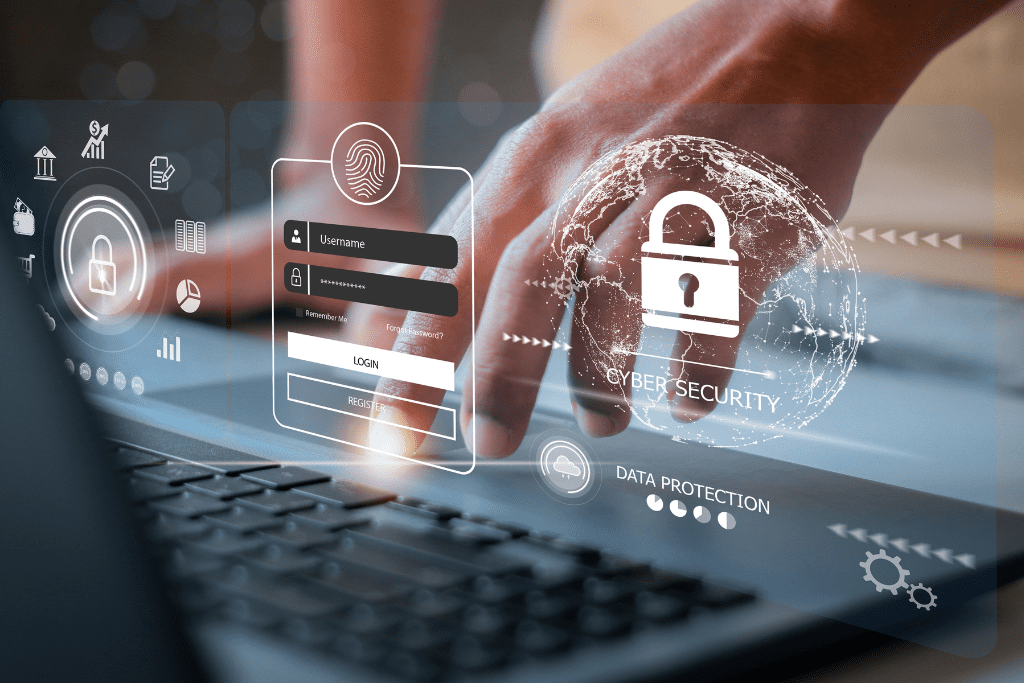
Data security is the protective measures to secure sensitive digital assets and information from unauthorized access, theft, or compromise.
As data becomes increasingly integral to private, public, and corporate operations, understanding and implementing robust data security practices is essential.
What is data security?
Data security involves various practices, tools, and methodologies to protect data integrity, confidentiality, and availability. It encompasses securing sensitive information from cyber threats, ensuring data privacy, and maintaining compliance with regulatory standards.
The importance of safeguarding sensitive data
Sensitive data includes personal information, financial records, intellectual property, health information, and other confidential information. Protecting this data helps maintain trust, prevents financial losses, and ensures business continuity. Failure to safeguard sensitive data can lead to severe consequences.
The cost of data breaches
Data breaches can result in financial losses, reputational harm, legal penalties, and operational disruptions. Breaches that compromise sensitive data, including personally identifiable information (PII) and intellectual property (IP), erode customer trust and can lead to expensive lawsuits and other damages. Therefore, preventing data breaches is critical for any organization.
The different types of data security
Data security can be categorized into different types, each addressing unique aspects of data protection.
1. Physical security measures
Physical security protects hardware and infrastructure from threats such as theft, vandalism, and natural disasters. This includes secure facilities, surveillance, access controls, and environmental controls to protect physical assets.
2. Network security
Network security focuses on protecting data, or traffic, as it travels across networks. This includes firewalls, virtual private networks (VPNs), intrusion detection systems, and encryption protocols to prevent unauthorized access and ensure data integrity during transmission.
3. Endpoint security
Endpoint security involves securing devices such as computers, smartphones, and tablets that connect to the company network. This includes mobile device management (MDM), disk encryption, antivirus software, endpoint detection and response (EDR) systems, authentication protocols, and other device management solutions to protect against malware and unauthorized access.
The key elements and components of data security
Four fundamental elements of data security
1. Data encryption
Data encryption transforms readable data into an unreadable format, ensuring that only authorized users with a valid decryption key can access the information. Encryption is essential for protecting sensitive data both at rest and in transit.
2. Access controls
Access controls limit access to specific users, or groups of users. This usually involves user authentication(AuthN), authorization(AuthZ), and auditing processes to ensure that only legitimate users are allowed to access sensitive information. Identity and access management (IAM) tools are critical in this process.
3. Data masking
Data masking involves hiding specific data within a database to protect sensitive information. This technique is often used in testing and development environments to prevent unauthorized access to real data.
4. Audits
Regular audits are critical for identifying vulnerabilities, overly-broad access, and ensuring compliance with regulations such as GDPR (General Data Protection Regulation) and HIPAA (Health Insurance Portability and Accountability Act). Audits involve reviewing security policies, procedures, and systems to ensure they meet required standards and are effectively implemented.
Five critical components of data security
1. Risk assessment
Risk assessment involves identifying and addressing vulnerabilities within an organization’s data security framework. This process helps prioritize security efforts and allocate resources effectively to mitigate potential threats.
2. Data loss prevention (DLP)
Data Loss Prevention strategies are designed to prevent data loss or theft. DLP solutions monitor and control data flow to ensure that unauthorized users do not lose, misuse, or access sensitive information.
3. Multi-factor authentication
Multi-factor authentication (MFA) adds an additional layer of user authentication beyond passwords. MFA significantly enhances data security by requiring multiple forms of verification, such as a password and a biometric scan, pin, or one-time password (OTP).
4. Backups
Backups are essential for data resiliency and recovery from data loss or ransomware incidents. Regularly backing up data ensures that information can be restored in the event of a cyberattack, hardware failure, or human error.
5. Secure data erasure
Secure data erasure involves properly destroying data to prevent that data from being reclaimed from legacy hardware. This includes using techniques such as data wiping and degaussing to ensure that deleted data cannot be recovered.
How to implement robust data security solutions
Utilizing firewalls, tokenization, and cloud security technologies
Implementing robust data security solutions involves utilizing various technologies and practices. Firewalls act as barriers between trusted and untrusted networks, tokenization replaces sensitive data with non-sensitive tokens, and cloud security technologies protect data stored and processed in cloud environments.
The role of security policies
Security policies are essential for enforcing data privacy and protection measures. These policies define how data should be handled, accessed, and protected, ensuring that all employees adhere to best practices and regulatory requirements. Effective data security policies support overall cybersecurity efforts and mitigate risks from insider threats and social engineering attacks.
The importance of regular updates and patch management
Regular updates and patch management are crucial for protecting against malware and ransomware. By keeping systems and applications up to date, organizations can address known vulnerabilities and prevent exploitation by cybercriminals.
The significance of data privacy in data security
Understanding the relationship between data privacy and security
Data privacy and security are closely related, with privacy focusing on the rights of individuals to control their personal information and security focusing on protecting that information from unauthorized access. Effective data security measures support data privacy by protecting personal data from breaches and misuse.
Regulatory frameworks
Regulatory frameworks such as GDPR (General Data Protection Regulation) and CCPA (California Consumer Privacy Act) impact how organizations handle data. These regulations mandate strict data protection measures and provide individuals with rights over their personal data, ensuring that organizations prioritize data security and privacy.
Strategies for compliance
To ensure compliance with data privacy regulations, organizations must implement strategies such as data minimization, ensuring that only necessary data is collected and stored, and conducting regular audits to assess compliance.
Protecting personal data against cybercriminals involves robust security measures, employee training, and incident response planning.
Backup strategies: The last line of defense against data loss
The importance of backups
Backups are crucial for maintaining data integrity and availability. They provide a way to restore data during a cyberattack, hardware failure, ransomware attack, or accidental deletion, ensuring business continuity and data resiliency.
The different types of backup solutions
Organizations can choose between on-premises and cloud data backup solutions. On-premises backups store data locally, while cloud backups store data on remote servers. Each solution has its benefits, with cloud backups offering scalability and accessibility and on-premises backups providing greater control over data.
Best practices for data backup
Effective data backup strategies include regular backups, testing backup systems, and ensuring backups are stored securely. Implementing a mix of on-premises and cloud backups can provide a balanced approach to data resiliency.
Crafting an effective data security policy
Defining a data security policy
A data security policy outlines an organization’s approach to protecting data. It defines roles, responsibilities, and procedures for handling and securing data, ensuring that all employees understand their responsibilities and the importance of data security.
The key components of a data security policy
Key components of a data security policy include roles and responsibilities, access controls, incident response plans, and compliance requirements. By clearly defining these components, organizations can support cybersecurity efforts and protect against insider threats and social engineering attacks.
Seclore’s data-centric security platform lets organizations persistently protect digital assets based on the data security policies established by that organization.
- Classification-driven protection: Many regulations require organizations to classify sensitive digital assets. With Seclore, classification or sensitivity labels can automatically trigger encryption and authentication rules to be applied to a digital asset that contains sensitive information.
- Enterprise Digital Rights Management (EDRM): Control what users can do with a sensitive digital asset, limit access to certain time periods, or revoke access at any time.
- Risk Insights: Track all activity related to protected digital assets
Data security FAQs
What are some examples of sensitive data?
Sensitive data includes personal information like names, addresses, Social Security numbers, financial records, credit card information, medical records, and intellectual property.
What are some common data security threats?
Common threats include cyberattacks (malware, ransomware, phishing), unauthorized access, insider threats, data breaches, and physical theft.
How can I protect myself from data breaches?
Here are some tips:
- Be cautious about the information you share online.
- Use strong passwords and enable multi-factor authentication (MFA) whenever possible.
- Never use the same password for more than one service
- Be wary of suspicious emails and attachments.
What should I do if I suspect a data breach?
If you suspect a data breach, contact the organization involved immediately and change your passwords for any accounts that may have been compromised. Consider reporting the breach to the relevant authorities.
What are some benefits of data security for businesses?
Data security helps businesses maintain customer trust, avoid financial losses from breaches, and comply with industry and privacy regulations.
Effective data security can help organizations:
- Protect their valuable data
- Stay ahead of the competition
- Prevent breaches and leaks
- Standardize compliance
- Enhance business continuity
- Minimize cyber threats
Conclusion: Share data fearlessly
Effective data security is an ongoing process that requires continuous monitoring, adaptation, and investment. Implementing robust security measures, educating your workforce, and adhering to best practices can significantly reduce the risk of data breaches.
Safeguards for sensitive information foster trust with customers, ensure regulatory compliance and reporting capabilities and protect the core of your digital operations.
See how Seclore can transform your security strategy. Schedule a demo today to experience our solutions in action.
What is Data Security? Resources

Ready to get started?
Contact our sales team to find out how Seclore can help with data security and compliance.
- Product
- Support
- About
- Regulations


