
Data Security 101: What is Zero Trust?
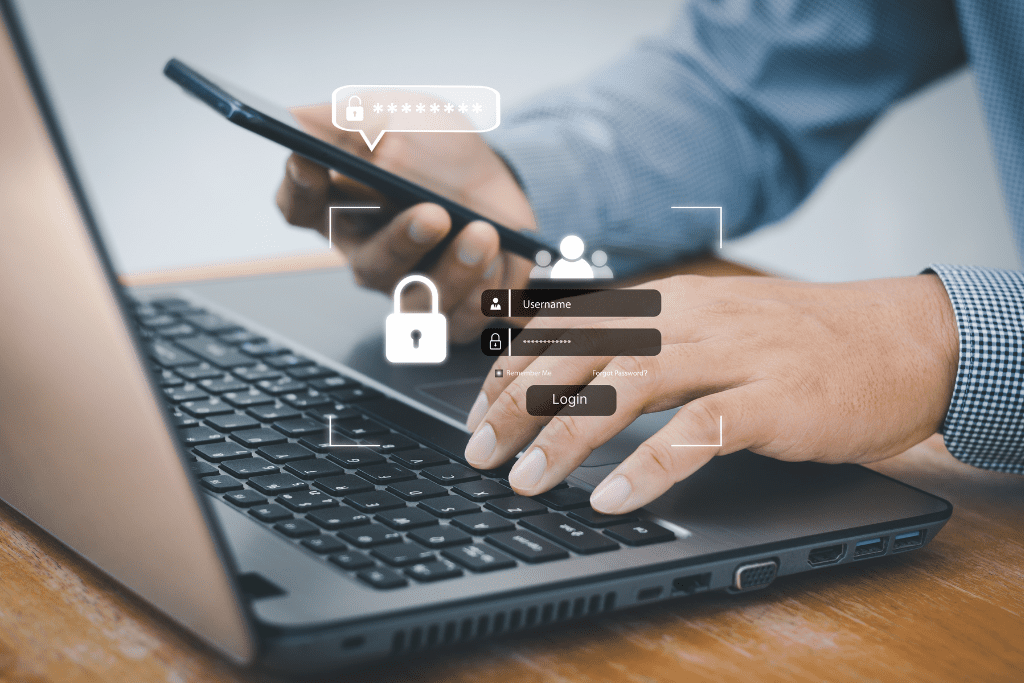
As cyber threats become increasingly complex and pervasive, the concept of “Zero Trust” has emerged as a necessity, promising a seismic shift in defensive cybersecurity strategies.
This guide aims to demystify Zero Trust, provide a clear understanding of its importance, and detail how it’s reshaping the methods and processes organizations use to protect their most sensitive digital assets.
What is Zero Trust?
Zero Trust is a cybersecurity framework that operates on the fundamental principles of “never trust, always verify.” Unlike traditional security models that operate on the assumption that everything and everyone inside an organization’s network perimeter is trustworthy, Zero Trust assumes that threats can come from both outside and inside the network. Therefore, it treats every access request as untrusted until proven otherwise.
In essence, Zero Trust is about securing access to all resources in an organization, regardless of where the request comes from. It requires strict identity verification for every person and device attempting to access resources on a private network, no matter where they are located.
The Evolution of Security: From Perimeter-Based to Zero Trust
To fully understand Zero Trust, it’s essential to recognize how it contrasts with traditional security models. Historically, organizations adopted a perimeter-based security approach, likened to a castle-and-moat strategy. The idea was to secure the network’s perimeter with firewalls, VPNs, and other security measures. Everything inside the perimeter was trusted, while everything outside was treated with suspicion.
However, with the rise of cloud computing, remote work, mobile devices, and sophisticated cyber threats, the perimeter has become increasingly difficult to define and defend. In this new environment, the assumption of everything inside the network being safe is no longer valid. Threats can easily originate inside the network, and external users may require legitimate access to internal resources.
This shift in the threat landscape necessitated a new approach to security, leading to development of the zero-trust model.
Core Principles of Zero Trust
Zero Trust is not a single product or technology but a framework that encompasses several key principles:
- Verify Identity and Context: Every access request must be verified, regardless of where it originates. This verification should be based on two or more of the following factors: the user’s identity, the device they are using, their location, and the sensitivity of the resource they are trying to access.
- Least Privileged Access: Users should only have access to the resources they need, for the minimum amount of time, to perform their job — and nothing more. By limiting access to the bare minimum, organizations can reduce the potential damage if a user account is compromised.
- Micro-Segmentation: Instead of relying on a single, broad security perimeter, Zero Trust advocates for micro-segmentation. This involves dividing assets or networks into smaller segments, each with its own encryption and security controls. This way, even if one micro-segment is breached, the remaining segments remain secure.
- Continuous Monitoring and Validation: Security doesn’t stop at the access point. Zero Trust requires continuous monitoring and validation of user activities, looking for any signs of unusual behavior that might indicate a security threat.
- Assume Breach: Zero Trust operates under the assumption that a breach has already occurred or could happen at any moment. This mindset encourages organizations to prepare for the worst, implementing strategies to detect and respond to breaches quickly.
Zero Trust vs. Content-Defined Zero Trust
When implementing a Zero Trust security model, it’s essential to recognize that different frameworks are tailored to specific needs. Two notable examples are Zero Trust Network Access (ZTNA) and Content-Defined Zero Trust.
- Zero Trust Network Access (ZTNA): This approach restricts network access based on identity verification and context, ensuring that users are only granted access to specific resources they are authorized to use. ZTNA reduces the attack surface by eliminating implicit trust in network boundaries, enforcing strict identity and access controls at every point.
- Content-Defined Zero Trust: Unlike traditional ZTNA, this model focuses on controlling access at the data level. It applies security policies based on the content itself, ensuring sensitive data remains protected regardless of where it’s accessed or stored. This framework treats each piece of content as its own security perimeter, significantly enhancing protection against data breaches.
Incorporating these different approaches allows organizations to implement a more comprehensive and adaptable Zero Trust strategy tailored to evolving security challenges.
Implementing Zero Trust: Key Technologies and Strategies
Implementing Zero Trust requires a combination of technologies and strategies tailored to an organization’s specific needs. Some of the key components of a Zero Trust architecture include:
- Identity and Access Management (IAM): IAM solutions play a crucial role in Zero Trust by ensuring that only authenticated and authorized users can access resources. This often involves multi-factor authentication (MFA), single sign-on (SSO), and other identity verification mechanisms like passkeys.
- Multi-Factor Authentication (MFA): MFA adds an additional layer of security by requiring users to provide multiple forms of verification before gaining access. This could include something they know (password), something they have (security token), or something they are (biometric verification).
- Network Segmentation: Network segmentation involves dividing the network into smaller, isolated segments, each with its own security controls. This limits the movement of attackers within the network if they manage to breach one segment.
- Encryption: Encrypting data both at rest and in transit is a critical component of Zero Trust. Even if attackers gain access to data, encryption ensures that they cannot easily read or use it.
- Endpoint Security: Endpoint security solutions protect devices that connect to the network, such as laptops, smartphones, and IoT devices. This can include antivirus software, firewalls, and device management solutions.
- Security Information and Event Management (SIEM): SIEM solutions provide real-time analysis of security alerts and logs, helping organizations detect and respond to threats more quickly.
- Data Loss Prevention (DLP): DLP solutions help prevent sensitive data from being lost, stolen, or misused. This is particularly important in a Zero Trust environment, where sensitive data must be protected at all times.
- Automation and Orchestration: Automation tools can help streamline the implementation of Zero Trust by automating repetitive tasks such as user provisioning, time-based access, just in time provisioning (JIT) and access reviews. Orchestration tools can integrate different security solutions, providing a unified approach to managing Zero Trust.
The Benefits of Zero Trust
Adopting a Zero Trust model offers several significant benefits:
- Enhanced Security: By assuming that no user or device is trustworthy by default, Zero Trust significantly reduces the risk of a security breach. Even if an attacker gains access to the network, the impact is minimized through micro-segmentation and continuous monitoring.
- Improved Visibility: Zero Trust requires organizations to maintain detailed visibility into who is accessing what, when, and how. This level of visibility helps security teams detect and respond to threats more effectively.
- Adaptability: Zero Trust is well-suited to modern IT environments, where the traditional network perimeter is becoming increasingly blurred. It supports cloud computing, remote work, and bring your own device (BYOD) policies, making it highly adaptable to changing business needs.
- Regulatory Compliance: Zero Trust can help organizations meet regulatory requirements by ensuring that sensitive data is protected and that access controls are enforced. This is particularly important for industries that are subject to strict data protection regulations, such as healthcare and finance.
- Reduced Risk of Insider Threats: Insider threats, whether intentional or accidental, are a significant concern for many organizations. Zero Trust mitigates this risk by enforcing strict access controls and continuously monitoring user activities.
Challenges and Considerations in Implementing Zero Trust
While the benefits of Zero Trust are clear, implementing this model is not without its challenges. Organizations need to consider the following:
- Complexity: Implementing Zero Trust requires a thorough understanding of an organization’s IT environment, as well as the deployment of various security technologies. This can be complex and time-consuming, particularly for large organizations with legacy systems.
- Growing Costs: The technologies and resources required to implement Zero Trust can be costly. Organizations need to weigh the potential security benefits against the financial investment required.
- Cultural Shift: Moving to a Zero Trust model often requires a cultural shift within the organization. Employees may resist changes to how they access resources, particularly if it adds friction to their workflow. Effective communication and training are essential to overcoming this resistance.
- Continuous Maintenance: Zero Trust is not a “set it and forget it” solution. It requires continuous monitoring, updating, and refining to ensure that it remains effective in the face of evolving threats.
How Does Seclore Help Organizations Implement Zero Trust?
Seclore plays a pivotal role in helping organizations adopt and implement a Zero Trust security model by ensuring that sensitive information is always protected, regardless of where it travels. Here’s exactly how Seclore supports Zero Trust:
- Data-Centric Security: Seclore shifts the focus of security from networks and devices to the data itself. By embedding security directly into files, Seclore ensures that data remains protected even when it moves outside of the organization’s perimeter.
- Granular Access Controls: Seclore provides fine-grained access policies that allow organizations to control who can access files, what they can do with them (view, edit, print, share), and for how long. This approach aligns with the Zero Trust principle of ‘least privilege.’
- Continuous Monitoring & Tracking: Seclore enables continuous monitoring of data usage, giving organizations visibility into who is accessing sensitive files, when, and from where. This real-time tracking helps detect anomalies and unauthorized activities.
- Seamless Integration: Seclore integrates with existing security infrastructures such as identity management and cloud storage solutions. By doing so, it complements other Zero Trust components, like multi-factor authentication (MFA) and endpoint security, ensuring a holistic approach.
- Dynamic Revocation: With Seclore, organizations can dynamically revoke access to sensitive information at any time, even after it’s been shared externally. This is crucial for maintaining control over data, a key element in Zero Trust strategies.
Conclusion: The Future of Zero Trust
So, what is Zero Trust? It’s a comprehensive security model that challenges the traditional notion of network security by assuming that no one and nothing is trustworthy by default. As cyber threats become more sophisticated and the boundaries of the traditional network continue to blur, Zero Trust offers a robust and adaptable solution to protect digital assets.
While implementing Zero Trust can be challenging, its benefits in terms of enhanced security, improved visibility, and adaptability make it an essential strategy for modern organizations. As more businesses recognize the limitations of traditional security models, Zero Trust is likely to become the new standard for cybersecurity, ensuring that organizations can protect their data, assets, and reputation in an increasingly complex digital world.
What is Zero Trust? Resources

Ready to get started?
Contact our sales team to find out how Seclore can help with data security and compliance.
- Product
- Support
- About
- Regulations


