
What is Data Encryption? A Guide for Beginners
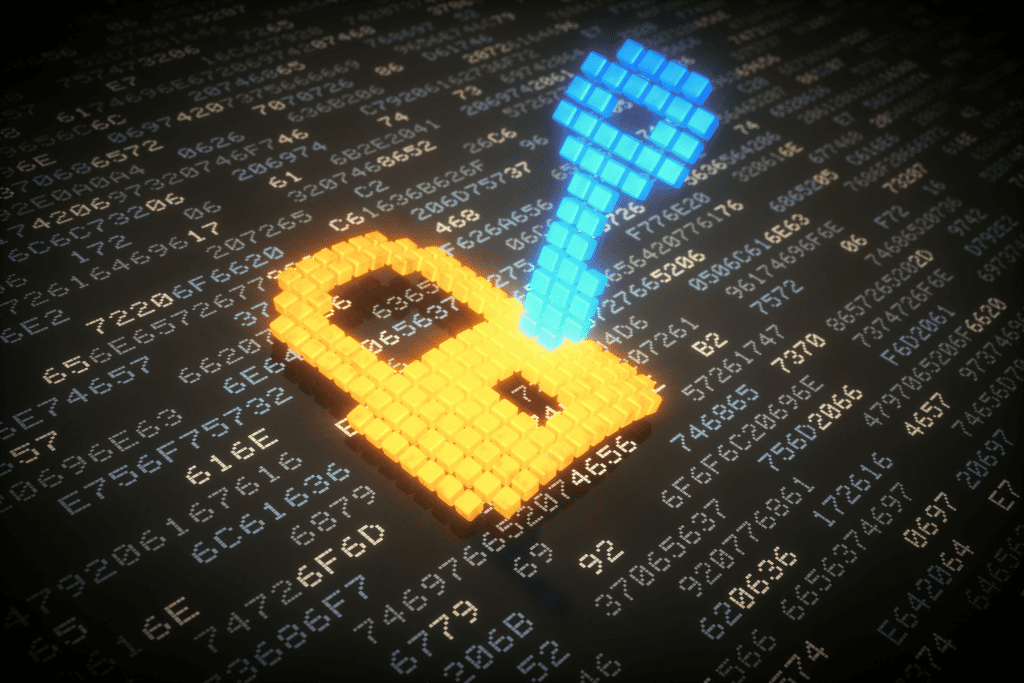
Table of contents
- What is the difference between symmetric and asymmetric encryption?
- How can I ensure my encryption keys are secure?
- What are some standard encryption algorithms?
- Why is data encryption necessary for compliance?
- Can encryption affect system performance?
- What is end-to-end encryption?
- How does encryption help in preventing data breaches?
- What are digital signatures, and how are they related to encryption?
- Is encryption necessary for data stored in the cloud?
Introduction
Encrypting digital content has never been more critical. With data breach incidents soaring by 72% since 2021, effectively encrypting data is vital for protecting confidential information.
This guide is designed to equip you with essential information about data encryption so you can make more informed decisions about the security measures your organization embraces. We will cover the benefits of data encryption, best practices, and common challenges, all aimed at helping you improve your cybersecurity strategy.
What is data encryption?
Data encryption is the process of converting plaintext into a coded format, known as ciphertext, using an encryption algorithm and an encryption key. This process ensures that only those with the encryption key can decrypt and access the original information.
Encryption is a cryptographic technique dedicated to secure communication in the presence of adverse or malicious parties. This process is fundamental to various encryption methods, including symmetric and asymmetric encryption, which use symmetric and public keys, respectively.
The importance of data encryption
Data encryption is vital for safeguarding sensitive data, such as personally identifiable information (PII), credit card details, medical records, and proprietary business information. It is a frontline defense against unauthorized access and cyber threats, protecting sensitive information from hackers and cybercriminals.
Encryption methods like the Data Encryption Standard (DES), Advanced Encryption Standard (AES), and Rivest–Shamir–Adleman (RSA) algorithms are commonly employed to enhance data security.
Benefits of data encryption
- Confidentiality: Encryption is primarily focused on protecting data confidentiality by converting it into a form that is unreadable without the appropriate decryption key.
- Data integrity: Encrypted data cannot be altered without encryption, ensuring data integrity and preventing unauthorized changes.
- Compliance: Many regulatory requirements, such as HIPAA, mandate that some or all stored data is encrypted, ensuring compliance with legal standards.
- Peace of mind: Encryption reduces the risk of malicious actors gaining access to your data in the event of a breach, providing peace of mind to businesses and individuals alike.
- Data privacy: Encryption helps maintain data privacy, ensuring that personal and sensitive information remains secure from unauthorized parties.
Best practices for data encryption
- Use strong encryption: Adopt advanced encryption algorithms like AES 256 (Advanced Encryption Standard) or RSA 2048 (Rivest–Shamir–Adleman).
- Securely manage encryption keys: Store keys in a secure location and use a key management solution to manage encryption keys effectively.
- Encrypt sensitive data at rest and in transit: Protect data, whether stored (data at rest) or transferred (data in transit), to prevent interception and unauthorized access.
- Review encryption protocols regularly: To maintain robust data security, update encryption software regularly and change methods as soon as vulnerabilities are detected.
- Educate employees: Train staff members to understand the importance of data encryption and follow best practices to prevent data breaches and unauthorized access.
Challenges of data encryption
- Complexity: Implementing encryption can be technically challenging, requiring a thorough understanding of encryption algorithms and key management.
- Performance: Encryption can affect system performance, as encrypting and decrypting data can be resource-intensive.
- Management: Securing and managing encryption keys can be time-consuming, necessitating effective key management solutions.
- Cost: Implementing robust encryption solutions can be expensive, especially for small businesses.
- Compliance: Navigating various regulatory requirements can be complex, requiring constant vigilance and updates to encryption protocols.
Types of data encryption
- Symmetric encryption: Uses a single key for both encryption and decryption. Examples include AES and Data Encryption Standard (DES). Symmetric encryption efficiently encrypts large amounts of data but requires secure key management to prevent unauthorized access.
- Asymmetric encryption: Uses a pair of keys (public key and private key) for encryption and decryption. Examples include RSA and Elliptic Curve Cryptography (ECC). Asymmetric encryption is more secure for key exchange but can be slower than symmetric encryption.
- Hashing converts data into an irreversible, fixed-size string of characters, such as SHA-256. It is commonly used for data integrity verification.
- Hybrid encryption: Combines symmetric and asymmetric encryption to leverage the strengths of both methods. This approach often uses asymmetric encryption to securely exchange symmetric keys, which are then used for data encryption.
Encryption techniques and algorithms
Various encryption algorithms and techniques are employed to secure data. Some notable ones include:
- AES (Advanced Encryption Standard): A symmetric encryption algorithm widely used for securing data due to its high level of security and efficiency.
- RSA (Rivest–Shamir–Adleman): An asymmetric encryption algorithm for secure data transmission, digital signatures, and key exchange.
- DES (Data Encryption Standard): An older symmetric encryption algorithm that has been largely replaced by AES due to its vulnerabilities.
- 3DES (Triple DES): An enhancement of DES that applies the DES algorithm three times to each data block, providing increased security.
- Twofish: A symmetric key block cipher known for its flexibility and high level of security.
- ECC (Elliptic Curve Cryptography): An asymmetric encryption technique that offers strong security with smaller key sizes, making it efficient for mobile devices and secure communication.
- TLS/SSL (Transport Layer Security/Secure Sockets Layer): Protocols used to secure data transmitted over the internet, ensuring data integrity and confidentiality.
Applications of data encryption
Data encryption is utilized in various applications to enhance cybersecurity and data protection, including:
- Cloud storage: Encrypting data stored in cloud storage services to prevent unauthorized access and data breaches.
- Disk encryption: Encrypting entire hard drives to protect data stored on physical devices from unauthorized users.
- Endpoint security: Implementing encryption on endpoints like computers and mobile devices to safeguard data and prevent malware attacks.
- Communication apps: Using end-to-end encryption to secure messages and calls, ensuring that only intended recipients can access the communication.
Leveraging Seclore for Data Encryption
Seclore offers a comprehensive data-centric security platform designed to protect your sensitive information. With features like:
- Dynamic data protection: Seclore applies encryption and controls to data based on its sensitivity and usage context, ensuring optimal security without hindering productivity.
- Granular access control: You can define precise permissions for data access, sharing, and usage, minimizing the risk of unauthorized actions.
- Centralized key management: Seclore securely manages encryption keys, reducing the burden on IT teams and enhancing overall security.
- Integration with existing systems: Seamlessly integrate Seclore with your existing infrastructure, including email, file servers, and cloud platforms.
- Advanced threat protection: Defend against sophisticated threats like data loss, theft, and misuse with Seclore’s robust security measures.
By leveraging Seclore, organizations can significantly strengthen their data encryption strategies and achieve a higher level of data protection.
Data encryption FAQs
What is the difference between symmetric and asymmetric encryption?
Symmetric encryption uses a single key for encryption and decryption, making it faster but requiring secure key management. Asymmetric encryption uses a pair of keys (public and private) for encryption and decryption, providing enhanced security for key exchange but at a slower speed.
How can I ensure my encryption keys are secure?
Use a key management solution to store and manage your encryption keys securely. Rotate your keys regularly, and use multi-factor authentication to access key management systems.
What are some standard encryption algorithms?
Common encryption algorithms include AES (Advanced Encryption Standard), RSA (Rivest–Shamir–Adleman), DES (Data Encryption Standard), 3DES (Triple DES), and Twofish. Each algorithm has its strengths and may be suitable for different use cases.
Why is data encryption necessary for compliance?
Regulatory frameworks like HIPAA and GDPR require data encryption to protect sensitive information. Compliance with these regulations ensures that organizations take necessary steps to safeguard data and avoid legal penalties.
Can encryption affect system performance?
Encryption can impact system performance, as encrypting and decrypting data is resource-intensive. However, the level of impact depends on the encryption algorithm used and the system’s capabilities.
What is end-to-end encryption?
End-to-end encryption ensures that data is encrypted on the sender’s device and only decrypted on the recipient’s device, preventing intermediaries, including service providers, from accessing the data.
How does encryption help in preventing data breaches?
Encryption renders data unreadable to users without a valid decryption key, helping to ensure it remains protected and unintelligible to unauthorized users, which is critical in case it’s intercepted or accessed without permission.
What are digital signatures, and how are they related to encryption?
Digital signatures use asymmetric encryption to verify the authenticity and integrity of digital messages or documents. They ensure the content has not been altered and confirm the sender’s identity.
Is encryption necessary for data stored in the cloud?
Yes, encrypting data stored in the cloud is crucial for protecting it from unauthorized access and ensuring data privacy and security, especially given the shared nature of cloud environments.
Conclusion: Share data fearlessly
In an era of increasing data breaches and cyber threats, understanding and implementing robust data encryption methods is essential for protecting sensitive information.
By adopting robust encryption algorithms, managing encryption keys securely, and educating employees on best practices, organizations can enhance their cybersecurity posture and safeguard against unauthorized access and data breaches.
Encryption is critical to modern data security strategies, whether protecting personal data, financial information, or intellectual property.
See how Seclore can transform your security strategy. Schedule a demo today to experience our solutions in action.
What is Data Encryption? Resources
Ready to get started?
Contact our sales team to find out how Seclore can help with data security and compliance.
- Product
- Support
- About
- Regulations


